Diario
Seasonal Note-Taking: A Spring Cleaning Checklist for Old Journals and Digital Notes
Spring has a way of making clutter visible. The light comes in at a different angle, the windows open, and the shelf of half-finished notebooks suddenly looks less like an archive and more like a backlog. Meanwhile, in a notes app you have been syncing since 2019, there are several hundred entries you have never opened twice.
Neither pile is a crisis. But both are easier to deal with in one deliberate pass than in the small flinch of guilt you feel every time you catch sight of them. What follows is a seasonal checklist: not a purge, not a productivity system, just a few hours of honest sorting.
Before You Open a Single Notebook
Pick a day and decide how long you are giving it. Two hours is realistic for a shelf; four if you have been keeping diaries since school. Silence the phone but keep it nearby, because you will want it for photographs.
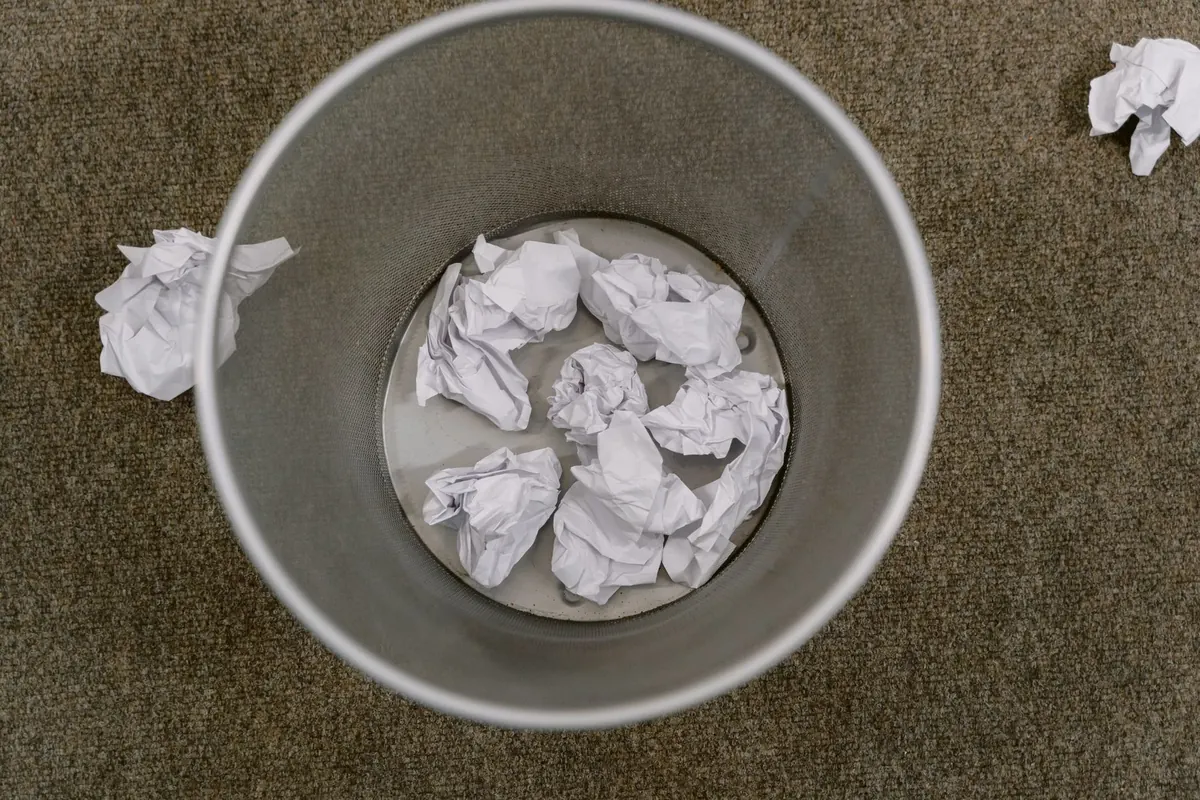
Set out four things: a box for what stays, a box for decide later, a bag for genuine rubbish (envelopes, receipts, loose shopping lists), and a blank notebook for the harvest page described below. Nothing gets destroyed in the first pass. This matters. Rereading old journals makes people either ruthless or sentimental, and both moods produce bad decisions.
One working rule: if a page has a date and a feeling on it, photograph it before you consider letting the paper go. Photos are cheap; regret is slow.
The Three-Question Triage
Work through each notebook quickly, page by page, without reading properly. Speed is the point. For each item, ask three questions.
Would I be upset if this disappeared? Not "is it interesting", not "did I write something clever" — upset. If the answer is no, it goes into the decide-later box and you keep moving.
Does anything here still need to happen? Old notebooks hide open loops: a name you meant to write to, a book someone lent you, a bill you paid twice without noticing. Copy the open items onto a single page and deal with them this week. Then the notebook becomes a record again rather than a to-do list you can't close.
Is there anything here I might need to prove? Rare in diaries, common in work notebooks: dates, agreements, figures, who said what at a meeting. Pull out or photograph those pages and file them properly. If a notebook touches on contracts, taxes, medical treatment or an ongoing dispute, keep the original and check with the relevant professional — an accountant, a lawyer, your doctor — before anything goes in the bag.
Everything else goes into decide-later with the date written on the side of the box. Review it next spring. Most of it will feel obvious then in a way it never does today.
Harvest Before You Store
Old journals are worth keeping for two reasons: as a record of what happened, and as a quarry for what you still think. The second is easy to extract and almost never requires the original paper.
The harvest page
Skim each diary with a pen and a fresh page open. Copy out anything that still has a pulse:
- lines you would use again, in writing or in conversation
- ideas you abandoned for reasons that no longer apply
- decisions, plus the reasoning you gave at the time — future you will find this unexpectedly useful
- names, addresses, books, recipes, phone numbers scribbled in the margin
- patterns. "I wrote about being tired every March for four years" is worth knowing about yourself.
That single dated page becomes the thing you actually reread. The notebooks then turn into evidence rather than reading material, which makes them far easier to store — and, for the ones that don't earn their place, easier to release.
Digital Notes: Sort by Type, Not by Guilt
Digital clutter behaves differently. It takes up no shelf space, so it accumulates without friction until search stops returning the right note. Don't try to read your archive; sort it by type instead.
- The capture inbox. Quick notes, links, half-thoughts. Clear it down to a handful of items today and set a realistic rule for emptying it.
- Duplicates. The same thought in three apps, the same recipe saved twice. Keep the fullest version and delete the rest.
- Dead projects. Notes for a course you finished years ago, a plan you quietly dropped. Export the useful reference material into one file and delete the scaffolding.
- Broken links and clipped pages. If you can't tell in five seconds why you saved it, you won't read it later.
- Screenshots and whiteboard photos. The worst offenders and the easiest to cull. Keep only what you have transcribed or genuinely used.
- Finished to-do lists. Keep the open items, delete the rest. A completed task list is not a document.
Work in batches of fifty, and empty the trash only after a day or two of not missing anything. Search a keyword before deleting a whole category, so you know you aren't removing the only copy of something that mattered.
Build an Archive You Can Actually Use
What survives deserves a home you can find things in. Two habits do most of the work: naming and indexing.
Name things by year and subject — 2018–2021 letters, 2022 flat — rather than by mood. Keep one index note, or one sheet of paper in the top box, listing what is where. Digitise selectively: the fragile things, the pages where ink is fading, the notebooks you'd want to read while travelling. Photographing everything just moves the problem to a different shelf.
Store physical journals somewhere dry and stable, off the floor, away from the damp basement and the oven-like attic. A labelled lidded box on an ordinary shelf beats a beautiful crate in a room that floods.
A Closing Ritual That Takes an Afternoon
The whole thing works best done once, in one sitting, with a fixed end:
- Gather every notebook, loose page and stray digital export in one place.
- Triage using the three questions, keeping a decide-later box.
- Harvest the good lines and open loops onto one dated page.
- Clear a single digital container — the capture inbox, not all of them.
- Label the boxes, write the index, put everything away.
- Put the next review in the diary: spring again, or late autumn if that suits you better.
Then stop. The aim isn't an empty shelf or a pristine app; it's a shelf where you know what's in the boxes and an app where search returns the right note the first time. That is achievable in an afternoon, which is the only reason it ever gets done.
Photo: Tima Miroshnichenko / Pexels
Related Articles